
Cleaning up old or unused favourite accounts in the MAE app keeps transfers tidy, safer, and quicker. This beginner-friendly guide explains the why and how, with the latest update for 2025. It walks through each step slowly, offers security reminders, and includes troubleshooting if something doesn’t work as expected. For an easy reference you can bookmark or share, see how to delete favourite account in mae.
Introduction

Favourites in the MAE app make it convenient to send money to people and billers used most often. Over time, though, the list can grow crowded with one-off payees, old accounts, or closed services. Deleting favourites you no longer need helps prevent wrong transfers and keeps the app pleasant to use. This guide shows the safest way to remove a favourite, what to check before confirming, and how to avoid common mistakes—especially useful for beginners or anyone returning to MAE after some time away.
Introduction to Managing Favourites in MAE App
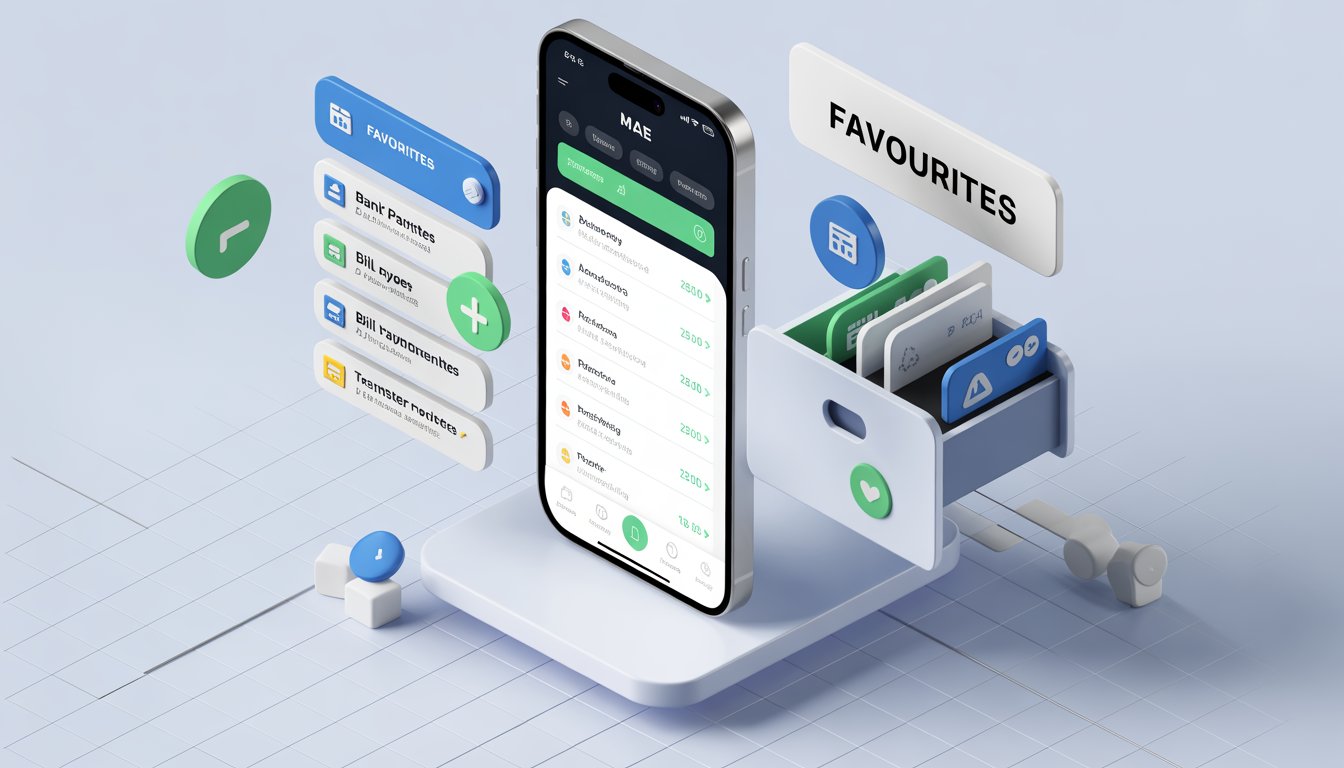
Think of favourites as a shortcut drawer for your finances. Instead of entering account numbers repeatedly, the MAE app lets users save a favourite once and reuse it when making transfers or bill payments. Managing this list regularly ensures that only the most trusted and relevant contacts remain, which is especially important when handling personal and business transfers in Malaysia. By keeping your favourites organized, you enhance both the efficiency and security of your banking experience.
Understanding the favourites feature
In MAE, a favourite is a saved profile for a recipient, biller, or service that users pay or transfer to frequently. Each favourite usually stores a name, bank details or biller information, and possibly notes to help identify the recipient. When it is time to send money, selecting a favourite is faster and reduces data-entry errors. This feature is designed to streamline regular transactions, making everyday banking tasks much simpler.
The app generally allows users to add, edit, and delete favourites from a dedicated section or from within Pay and Transfer flows. Depending on the latest app update, a small icon such as a heart, star, or a labelled “Favourites” button can take users to the list. If the visual labels change with updates, the core function stays the same: favourites keep frequent transfers one tap away. Familiarizing yourself with these icons can help you navigate the app more effectively.
Because favourites store sensitive information like account numbers or biller IDs, managing them with care is essential. The app may prompt for additional confirmation (such as Secure2u approval) for certain actions, including deletion, to protect users from accidental or unauthorized changes. Understanding these security measures ensures that you handle your financial data responsibly and avoid potential risks associated with mismanagement.
Benefits of organizing your list
An organized favourites list cuts down on searching and scrolling, particularly for those who manage both personal and business transfers. With fewer, more relevant entries, each payment session becomes quicker and less prone to mis-taps. The result is a smoother experience that feels less cluttered and more intentional. Regularly reviewing and organizing your list can significantly improve your overall user experience in the MAE app.
There is also a security benefit. Removing outdated or unknown entries reduces the risk of sending money to the wrong person. If someone gains access to the phone or app session, a lean list exposes fewer options to misuse. This complements other protective steps like strong passcodes and device biometrics. By minimizing potential vulnerabilities, you add an extra layer of protection to your financial activities.
Lastly, a tidy list helps the user track financial habits. Seeing only current payees makes it easier to notice unusual or suspicious entries. If something looks unfamiliar, it can be removed and flagged to support for extra peace of mind. This practice not only aids in better financial management but also promotes a proactive approach to personal banking security.
Why Remove a Favourite Account?
Favourites should reflect life as it is now, not last year’s transfers. There are several practical reasons to prune the list. Consider the time saved when every tap counts, the reduced risk of mistakes, and the calmer mental space when the app feels clean. The more frequently someone uses MAE, the more noticeable the benefits become. Removing unnecessary favourites is a simple yet effective way to optimize your app usage.
Decluttering your app
Over months or years, it is normal to accumulate favourites created for special occasions, temporary contractors, or one-time billers. Decluttering removes the noise and surfaces only the contacts that matter. This simple cleanup can shave seconds off each transfer and reduces the chance of choosing the wrong name under pressure. By maintaining a streamlined list, you make your banking routines more efficient and enjoyable.
Decluttering also makes it easier to spot genuine errors, like duplicates with slightly different labels. When there are fewer entries, inconsistent names or numbers stand out. Tidying up improves confidence, especially for high-value transactions. It encourages users to regularly audit their lists, ensuring accuracy and relevance in all saved information.
For users who manage multiple payees, decluttering supports better workflows. Personal and work recipients can be separated or labelled more clearly, and legacy entries can be archived by removing them from favourites while leaving any transaction history intact. This organization helps in distinguishing between different types of transactions, making financial tracking more straightforward.
Enhancing security
Security is not only about passwords. It is also about reducing exposure. An outdated favourite leaves room for accidental transfers or socially engineered requests. Deleting entries no longer in use shrinks the attack surface and keeps focus on the people and billers that truly belong. Prioritizing this aspect of app management contributes to a more secure digital banking environment.
In some cases, MAE may ask for confirmation via the phone’s biometrics or Secure2u approvals before certain changes. This is a healthy safeguard that prevents unauthorized edits. Following the app’s prompts ensures the removal is deliberate and verified. These measures are crucial for protecting your sensitive financial data from potential threats.
When a device is lost or shared, a smaller favourites list offers fewer targets for misuse. While device-level protections should always be enabled, thoughtful list maintenance forms a strong second line of defense. Combining these practices with regular security checks can significantly enhance your overall protection strategy.
Updating personal preferences
Life changes: new jobs, new bills, new service providers. As preferences evolve, favourites should evolve too. Removing older entries makes space for adding new ones with clearer labels, such as including a company name or project tag for easy recognition. This adaptability ensures your favourites list remains relevant to your current lifestyle.
If a recipient switches banks or updates account details, it is often safer to remove the old favourite and add a new one rather than editing in place. This reduces confusion and ensures the most recent information is used for future transfers. Taking this approach minimizes errors and keeps your transaction details up to date.
Keeping favourites current also improves budgeting and tracking. With fewer outdated entries, it is easier to match payees against planned expenses and reduce the chance of sending money to a superseded account. This practice supports better financial planning and helps users stay on top of their monetary commitments.
Step-by-Step Guide: How to Remove Favourite Account in MAE App
The process is straightforward and beginner friendly. While minor wording or icons may change with the latest update, the overall flow remains the same: open the app, go to Favourites, choose the entry, and confirm deletion. The sections below explain each step, along with small checks to keep things secure. Following these steps ensures a smooth and safe removal of unwanted favourites.
Open the MAE App and log in
Start by opening the MAE app on the phone and logging in with the usual credentials. If biometrics are enabled, Face ID or fingerprint will speed up sign-in; otherwise, use the passcode or registered device method. Ensure the session is private—avoid shared Wi‑Fi or public screens when managing saved payees. This precaution helps protect your personal information during the process.
If the app prompts for updates, install them first. Updates often include security patches and small interface improvements that clarify labels for actions like deleting favourites. After updating, log in again to continue. Keeping your app current is essential for accessing the latest features and maintaining optimal performance.
If multiple Maybank apps are installed, confirm it is the MAE app (not just the classic banking app). The icons, colours, and interface elements may look different, and the Favourites location can vary slightly between apps. Double-checking ensures you’re in the right place to manage your favourites effectively.
Navigate to the Favourites section
Once inside the app, look for the Favourites area. Depending on the latest MAE layout, it is commonly found via a Favourites icon on the home screen or within the Pay & Transfer area. Some versions use a heart icon or a labelled tab; others place favourites alongside recent transactions or contacts. Familiarizing yourself with the layout can save time during navigation.
If it is hard to locate, try opening Pay & Transfer first and then look for a Favourites button or tab. In some interface designs, the Favourites list appears as a subset of saved recipients under transfers. There may also be a search bar—typing the recipient’s name can quickly reveal whether they are stored as a favourite. Utilizing these tools makes finding the section quicker and more intuitive.
Should the section still be elusive, check the app’s Help or the in-app support chat. The precise menu wording changes occasionally with updates, but support can guide users to the correct screen in just a few messages. Reaching out for help ensures you don’t get stuck and can proceed with managing your favourites promptly.
Select and delete the account
From the list, tap the favourite to view its details. Look for an Edit, pencil, or three-dots menu (⋮) that opens actions such as Edit, Rename, or Delete. Choose Delete or Remove Favourite when the menu appears. If unsure, review the name, bank, and account number before finalizing to avoid removing the wrong entry. This careful review prevents accidental deletions and maintains list accuracy.
Some users prefer to rename a favourite to mark it for removal first (for example, adding “OLD” at the front) before coming back to delete it. This small step reduces the chance of deleting the wrong recipient, especially in a long list. If duplicates exist, compare the last few digits of the account number and the bank name to confirm the exact entry. Such precautions enhance the precision of your list management.
On certain devices, the app may show a secondary confirmation screen explaining that deleting a favourite does not affect past transaction records. This is normal. Deletion simply removes the shortcut; it does not erase the history from account statements. Understanding this helps users feel confident about proceeding with deletions without fear of losing important data.
Confirm the removal
When prompted, confirm the deletion. MAE may ask for biometric confirmation, passcode entry, or a Secure2u approval to complete the change. These additional steps are there to prevent unauthorized edits, especially on shared or previously compromised devices. Complying with these prompts ensures the integrity of your account actions.
After confirmation, the favourite should disappear from the list. If it remains visible, refresh the screen by pulling down the list or exiting and re-entering the section. Sometimes the view needs a moment to update after a secure action. Patience during this step can resolve minor display issues without further intervention.
If the favourite was deleted by mistake, it can be added again later. It is generally better to re-add a fresh entry with clearly labelled details than to rely on memory, especially for a payee used infrequently. This approach maintains the quality and reliability of your favourites list over time.
To summarize the key steps without relying on a table, begin by accessing the Favourites section from the home screen or Pay & Transfer area, where you’ll see your list of saved recipients. Then, select the specific favourite by tapping its name to open the details or action menu, verifying details like bank and account number. Next, choose the delete option from the edit menu, and finally, confirm the removal with any required security approval, such as Secure2u. Tips include using search for long lists and double-checking labels to avoid errors.
When to Add or Remove Favourite Accounts
Favourites work best when curated. Add entries that genuinely save time and remove those no longer needed. The goal is to make routine transfers effortless while minimizing the risk of accidental sends. The guidance below helps decide what to keep, what to remove, and when to refresh details. Implementing these practices leads to a more efficient and secure banking routine.
Best practices for adding accounts
Only add recipients that are used regularly, such as family members, rent or loan payments, tuition, or trusted vendors. Clear naming is essential—include short labels like “Work – Designer” or “Family – Mum” so the entry is obvious months later. Avoid cryptic abbreviations that become meaningless over time. Thoughtful naming conventions make future interactions with the list much smoother.
Before saving a new favourite, validate bank names and account numbers by cross-checking an official document or recent invoice. A single digit error can cause delays or wrongful transfers. It is wise to send a small test amount for new or infrequent payees to ensure details are correct before larger transfers. This verification step is crucial for preventing costly mistakes.
Finally, consider grouping similar payees using consistent naming. This helps keep personal and business recipients distinct. It also makes sorting and searching faster, especially for those with many recurring payments. Such organization enhances the overall usability of the favourites feature in MAE.
Signs it’s time to remove one
Delete a favourite if it has not been used in months and is unlikely to be used again, or if the recipient changed banks and supplied new details. Entries with unclear labels or duplicates should be removed to reduce confusion. Outdated business payees—especially after projects conclude—are strong candidates for deletion. Recognizing these signs helps maintain an optimal list size.
If a favourite’s details were shared over an insecure channel, such as an unverified message, consider removing it and re-adding after reconfirming the information. This reduces the chance of relying on compromised data. Also, if a recipient asks for urgent changes that seem suspicious, pause and verify independently before updating favourites. Vigilance in these situations protects against potential fraud.
When the list feels long enough to cause scrolling fatigue, it is time for a cleanup. Users often realize they rely on only a handful of entries, and cutting the rest restores a sense of control. Less is more when it comes to favourites, as a concise list improves both speed and accuracy in transactions.
Conclusion and Tips
Deleting a favourite in MAE is simple: open the app, find the Favourites section, select the entry, and confirm. The real value comes from managing the list with intention—naming entries clearly, verifying details, and pruning regularly. With a lean favourites list, transfers are faster, safer, and less stressful. If help is needed, MAE and Maybank support channels are available, and in-app assistance can guide users step by step. Remember, consistent maintenance of your favourites enhances your entire banking experience.
Troubleshooting common issues
If the delete option is missing, ensure the app is on the latest version and that the correct screen is open—the details view or action menu is where deletion typically appears. Sometimes the option is under a three-dots menu, which can be easy to overlook. Refreshing the view or restarting the app can also reveal the proper controls after an update. If issues persist, consulting the app’s help section can provide quick resolutions.
If deletion requires Secure2u approval and the device is not registered, the app will guide users to set this up first. This is a security layer and worth the few extra minutes. If Secure2u prompts do not arrive, check mobile data, push notification settings, and that the device’s time is set to automatic. Addressing these technical aspects ensures smooth confirmation processes.
When a favourite reappears after deletion, it is often just a display cache issue. Sign out and back in, or clear the app’s cache if the device allows it. If the problem persists, contact support with the favourite’s name and a brief description of the steps taken; a support agent can check for account-level settings that may affect changes. This step-by-step troubleshooting keeps your app functioning reliably.
Keeping your app updated
Updates deliver security improvements and better clarity in menus, which helps with tasks like deleting favourites. Enable automatic updates where possible, and periodically visit the app store to confirm nothing is pending. An updated app also reduces friction with Secure2u or biometric prompts during changes. Staying current with updates is key to a seamless user experience.
It is also wise to maintain good device hygiene: use a strong passcode, enable biometrics, and avoid installing unknown apps. On shared or older devices, log out after sensitive actions and consider limiting who can access the phone. Regularly reviewing the favourites list—perhaps once a quarter—keeps everything current. These habits contribute to a secure and efficient banking setup.
For those who prefer larger screens, checking favourites on a desktop browser via the broader Maybank ecosystem can help with review and housekeeping. While this guide focuses on MAE, the browser-based view is helpful for cross-verifying payee details or spotting duplicates, especially for users managing many recipients. If something looks off anywhere, remove the entry in MAE and add it again with verified details. Integrating desktop tools can complement your mobile banking efforts.
FAQs
Does deleting a favourite remove my past transactions?
No. Deleting a favourite only removes the saved shortcut to that recipient or biller. It does not erase past payments or transfer records. Those will remain in your statements and transaction history. This separation ensures your historical data remains intact while allowing list management.
Will I need Secure2u or biometrics to delete a favourite?
Possibly. Depending on the latest security settings and your device, the app may ask for biometrics, passcode, or Secure2u approval to confirm the change. This is a normal safeguard against unauthorized edits. Understanding these requirements helps prepare for a smooth deletion process.
What if I accidentally deleted the wrong favourite?
You can add it again at any time. When re-adding, verify the bank and account number, and give it a clear label to prevent future mix-ups. Consider sending a small test transfer the first time to confirm details. This recovery method ensures minimal disruption to your banking routine.
Why can’t I find the Delete option on my screen?
Make sure you are viewing the favourite’s details or action menu (often shown as a pencil icon or three dots). If the option still isn’t there, update the app, refresh the screen, or sign out and in. If needed, contact in-app support for guidance based on your app version. These steps usually resolve visibility issues quickly.
Can I manage favourites from a desktop browser?
You can review and manage payees within the broader Maybank ecosystem via browser, though labels and steps may differ from MAE. For this guide, the focus is on the MAE app. If using a browser, double-check that changes sync back to MAE or re-apply them directly in MAE for consistency. This cross-platform approach can enhance your management capabilities.